Firehouse Mixed Use
Adaptive Reuse, Commercial Office, Restaurant
Denver, Co 2021 : 12,000 sq ft Architect of Record, Interior Design
Project Overview
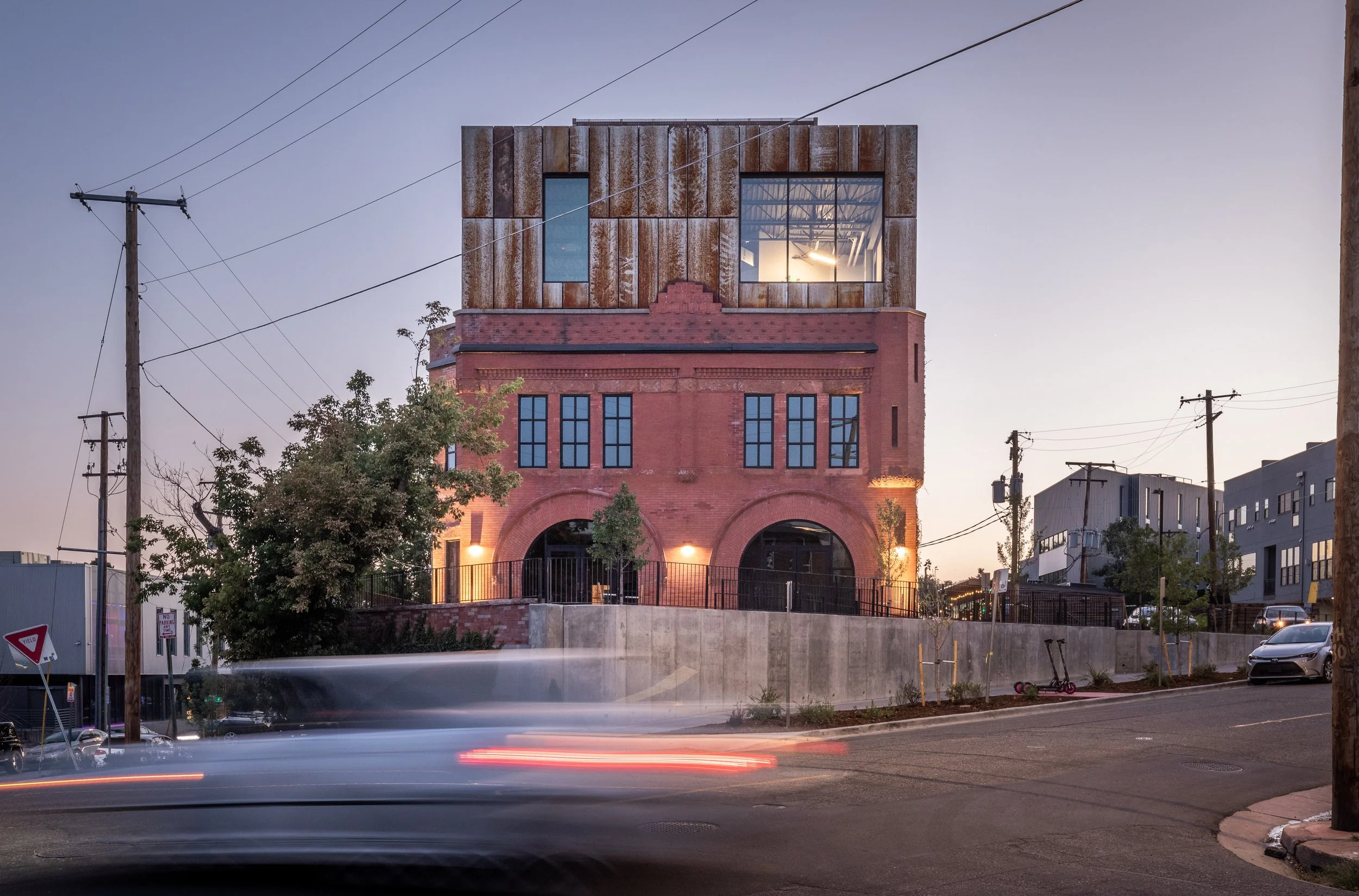
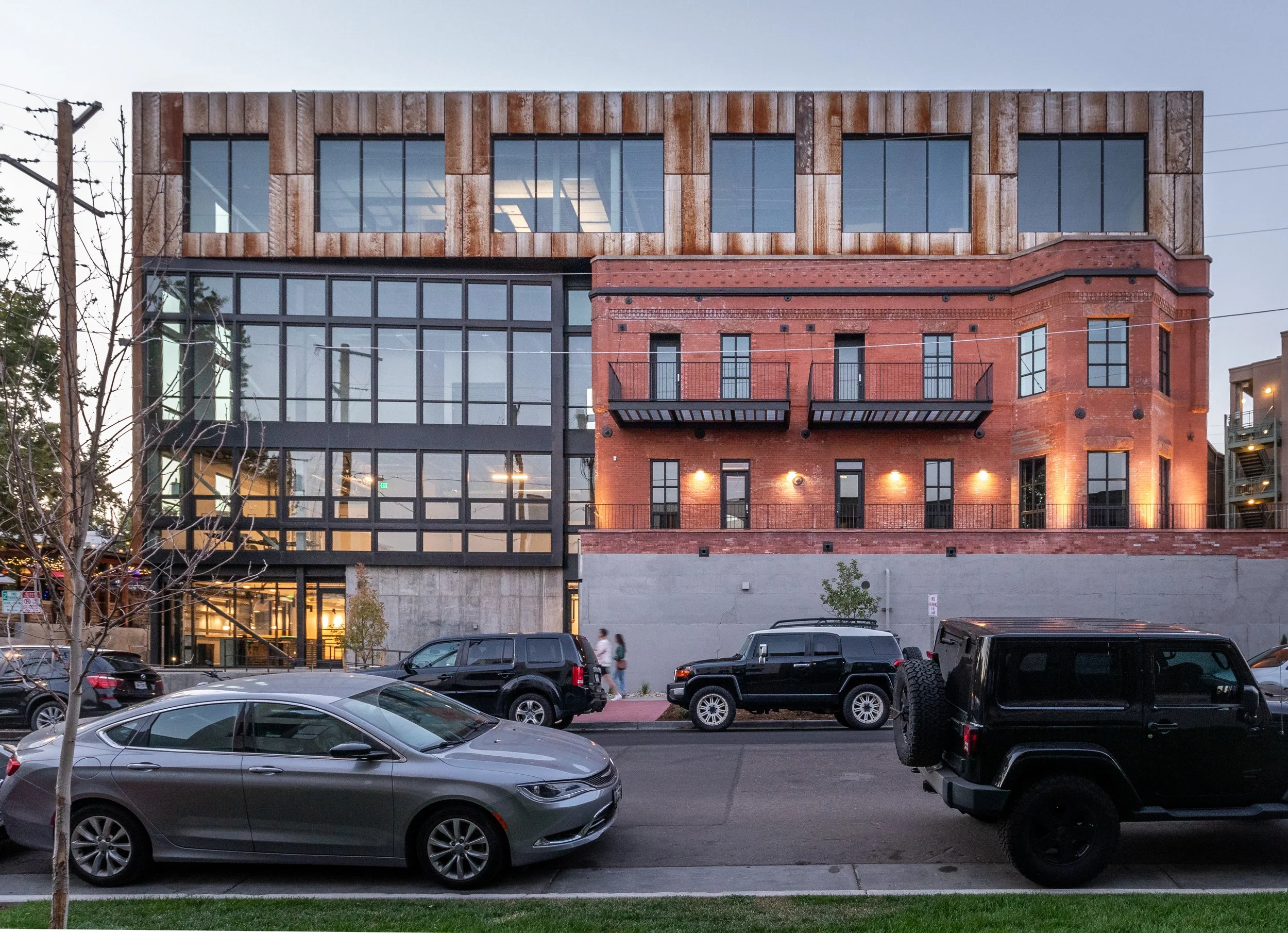
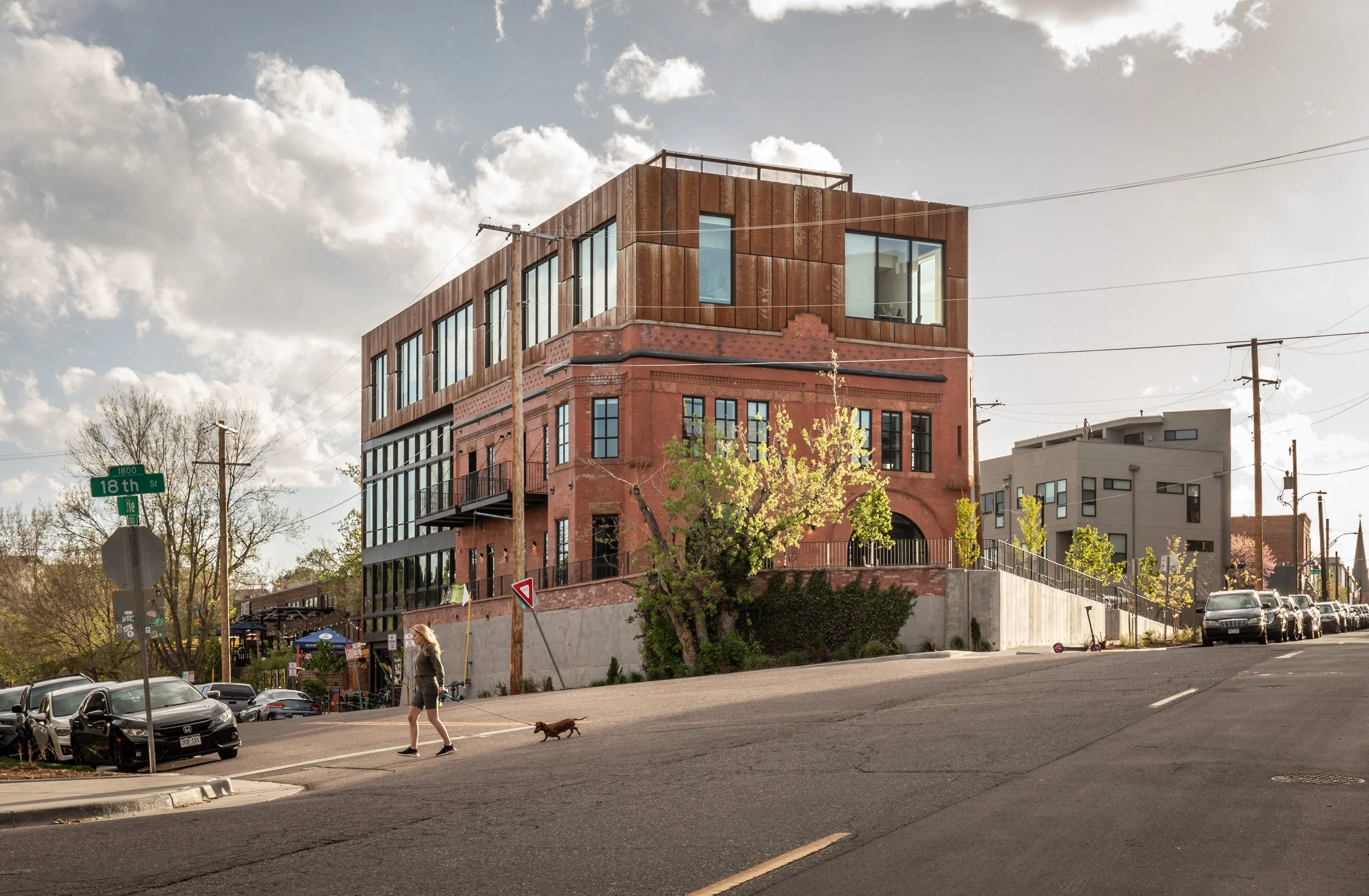
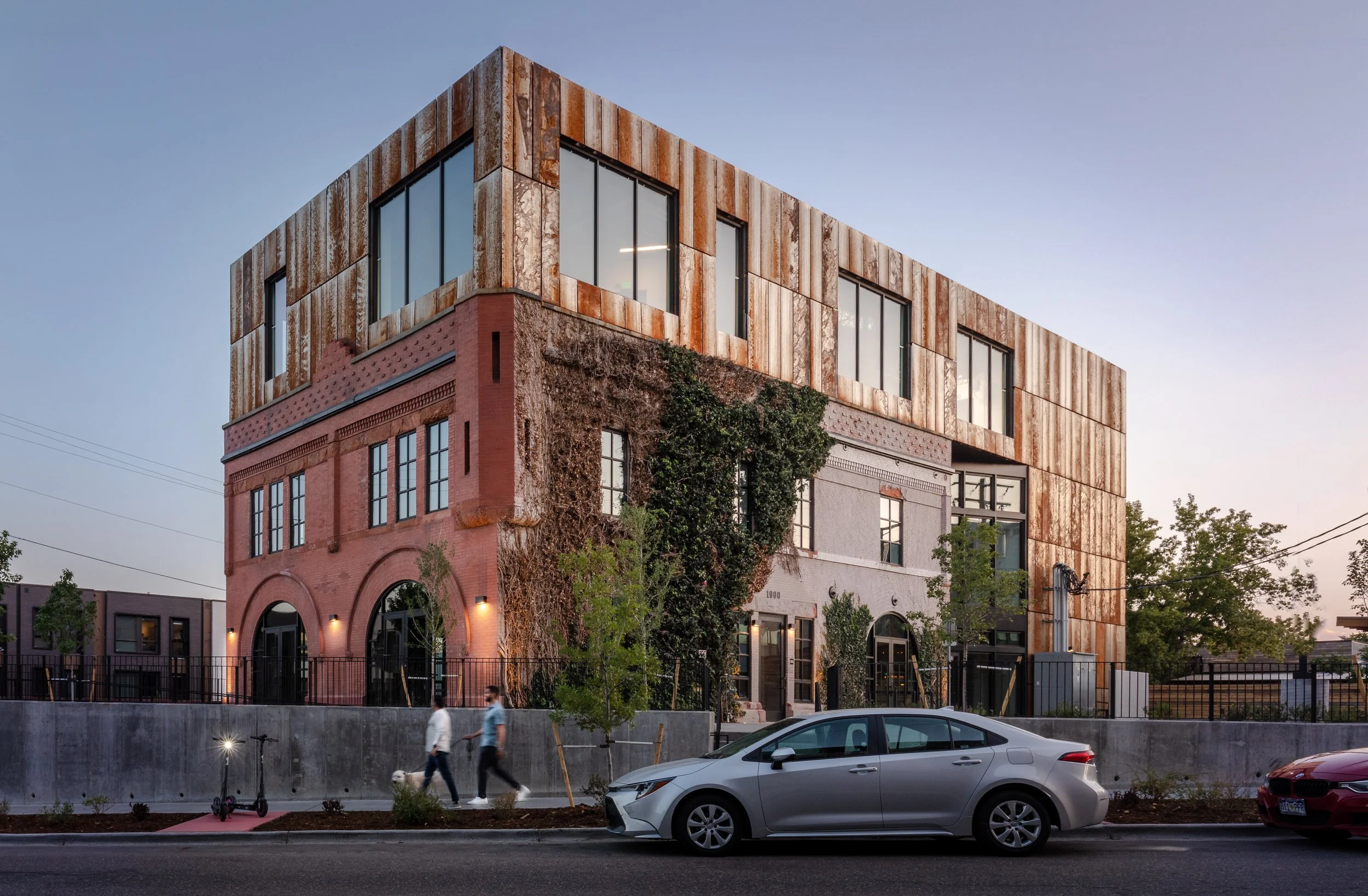
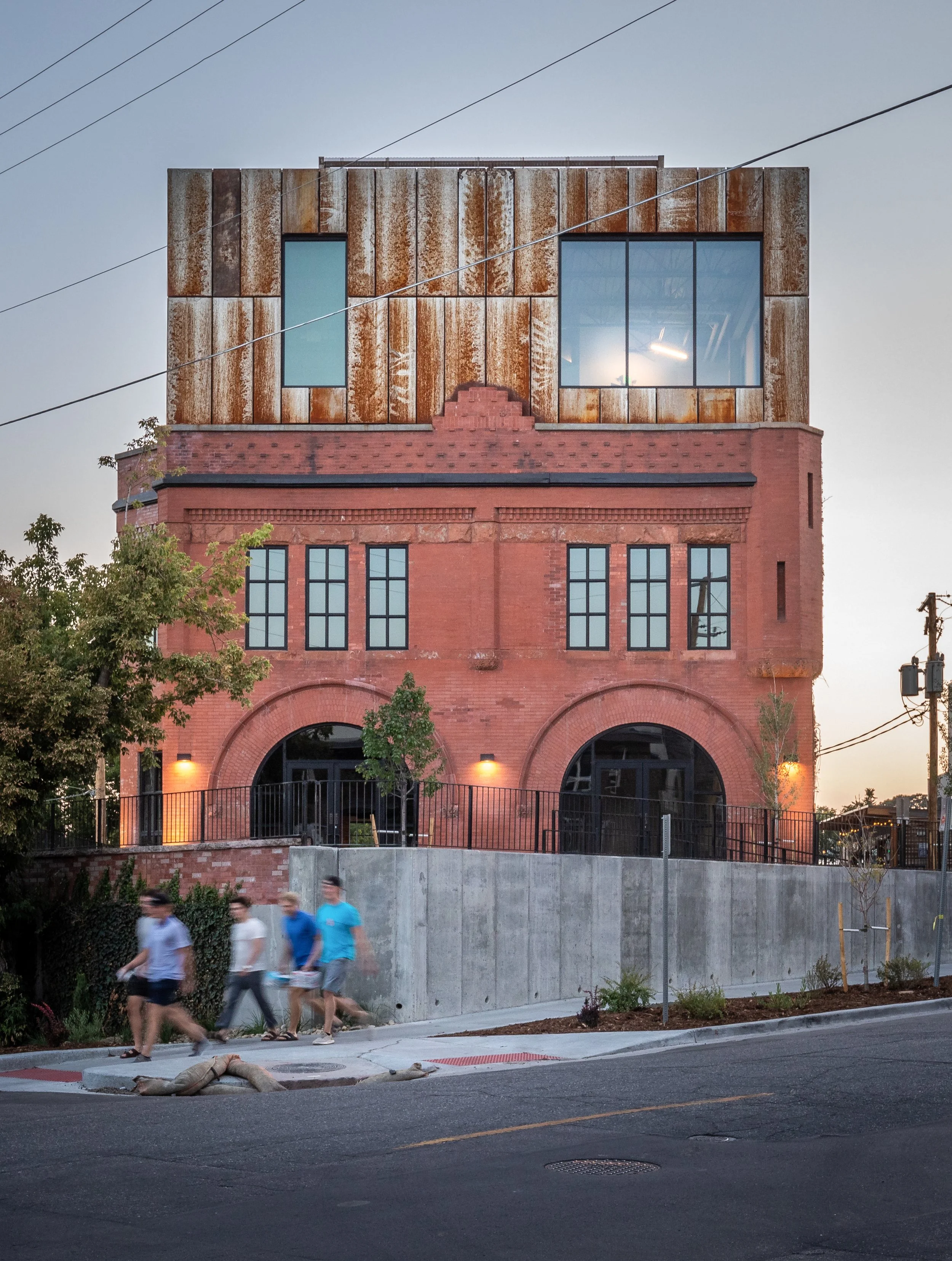
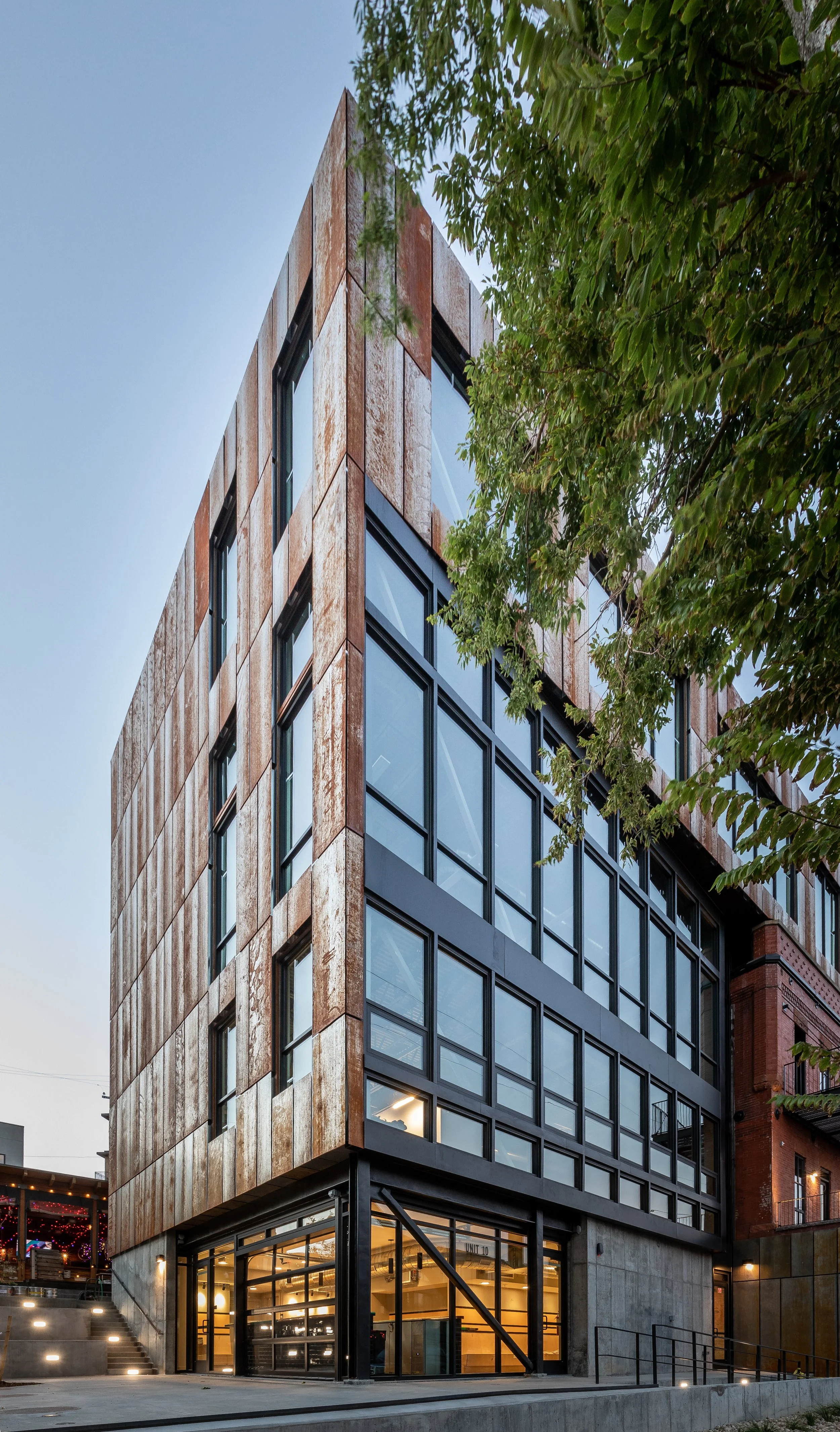
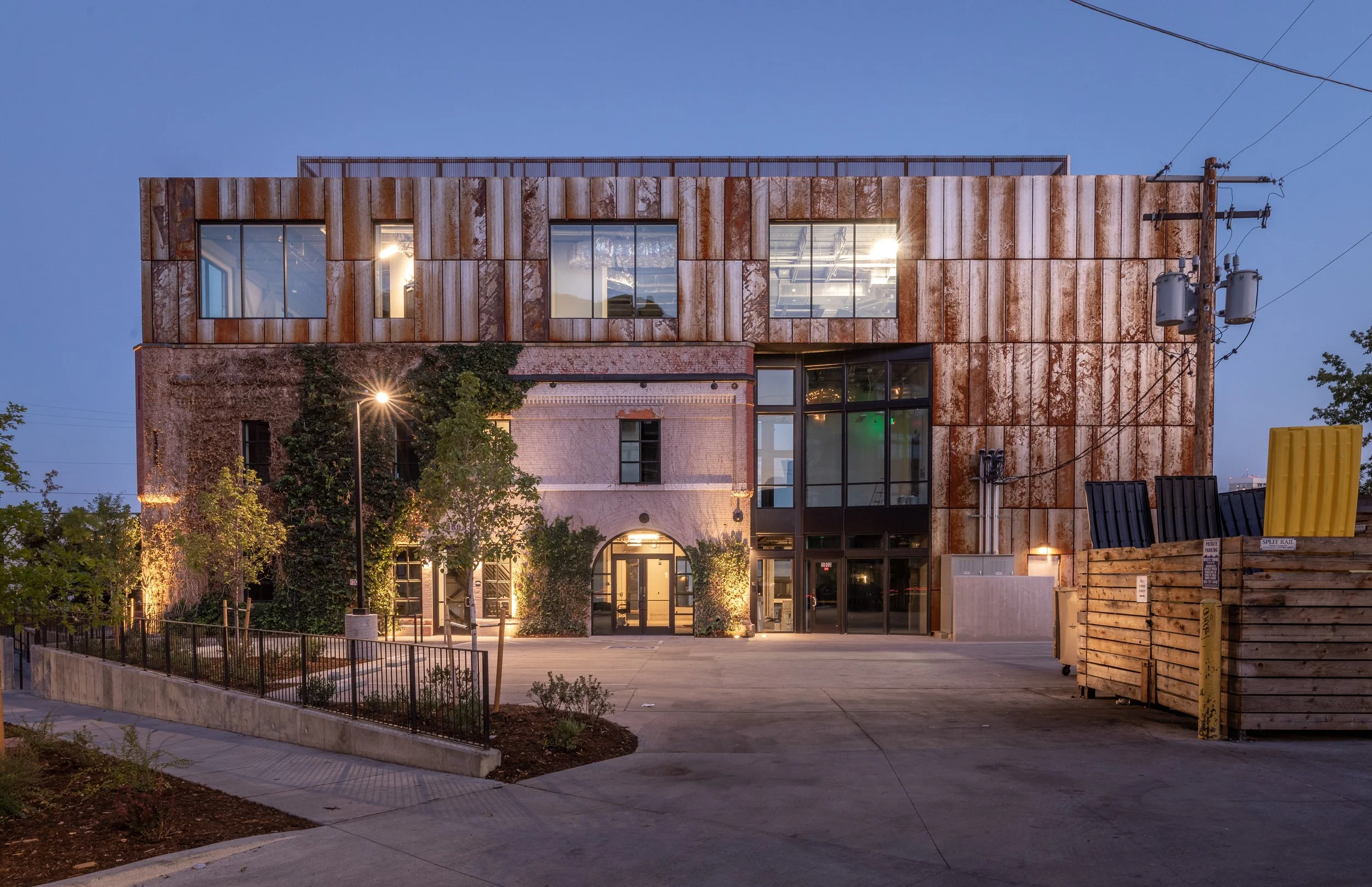
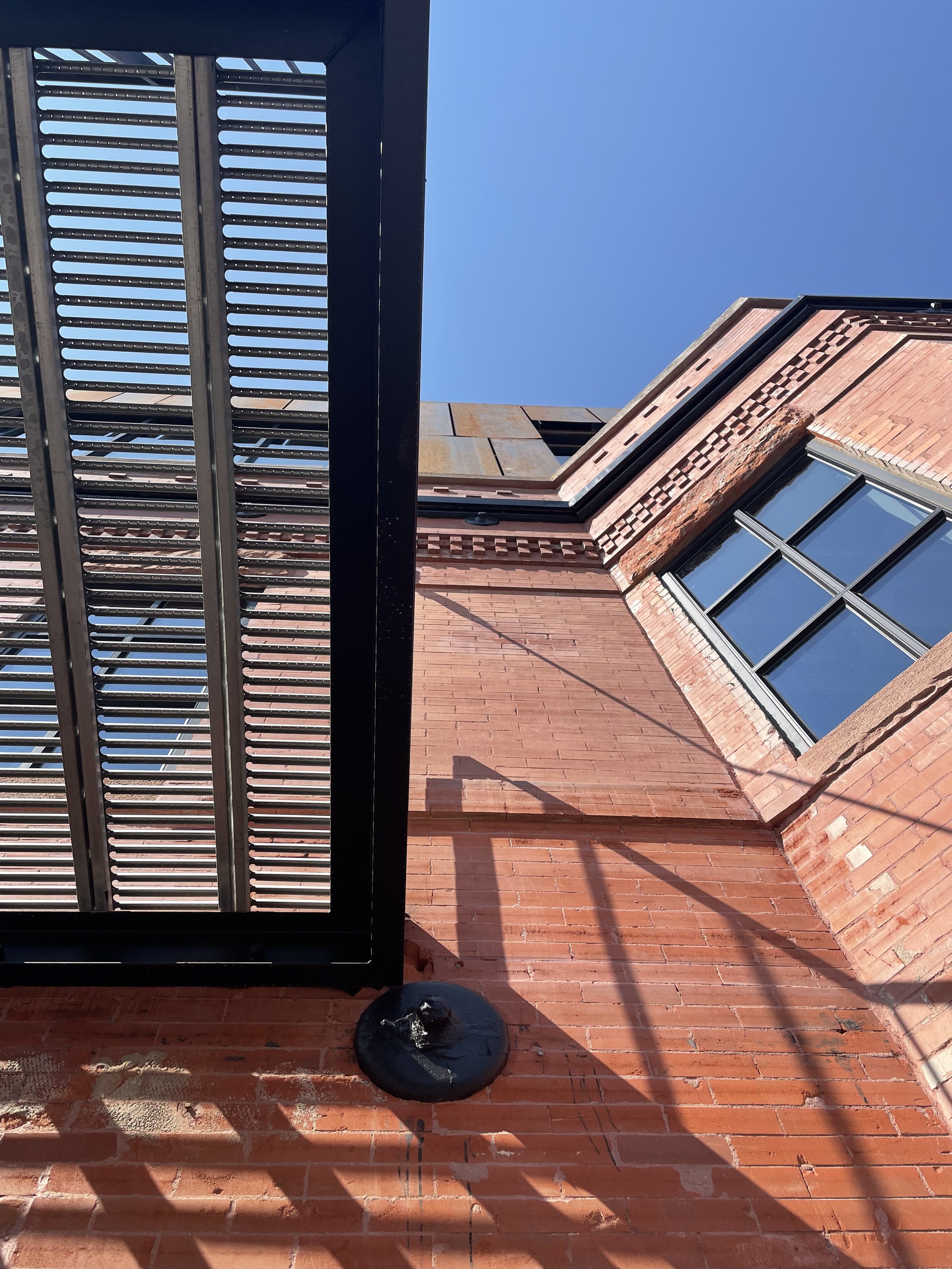
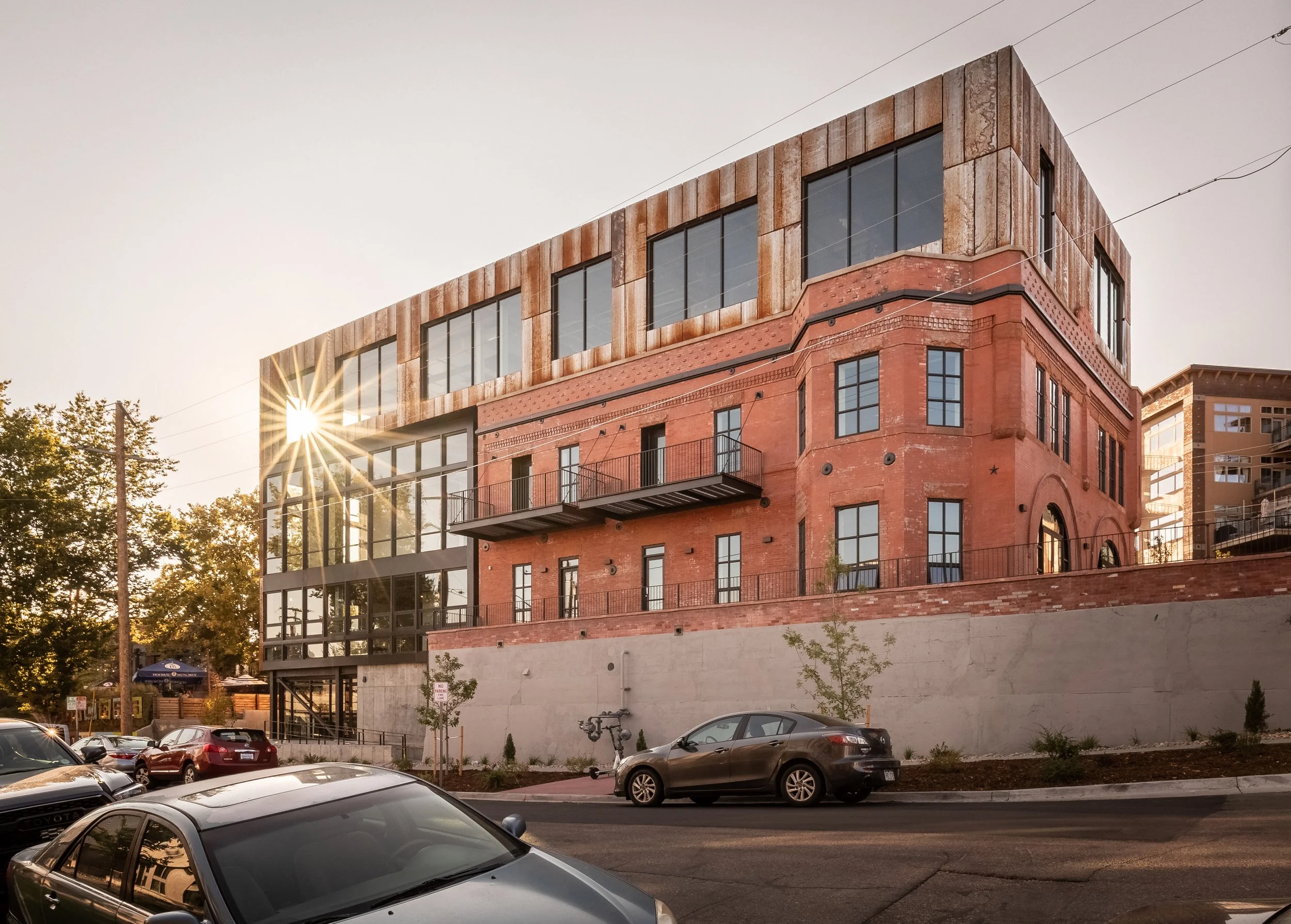
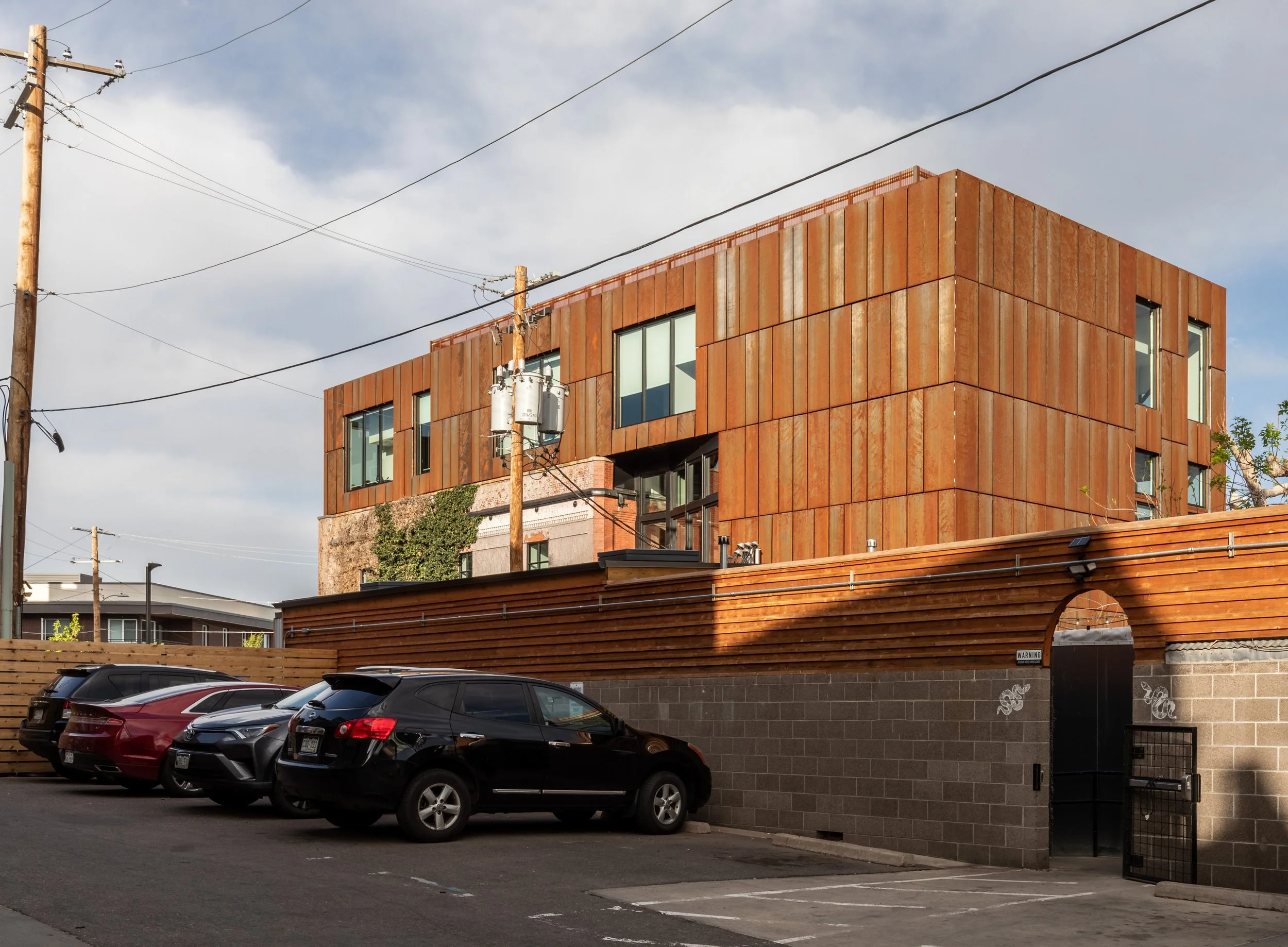
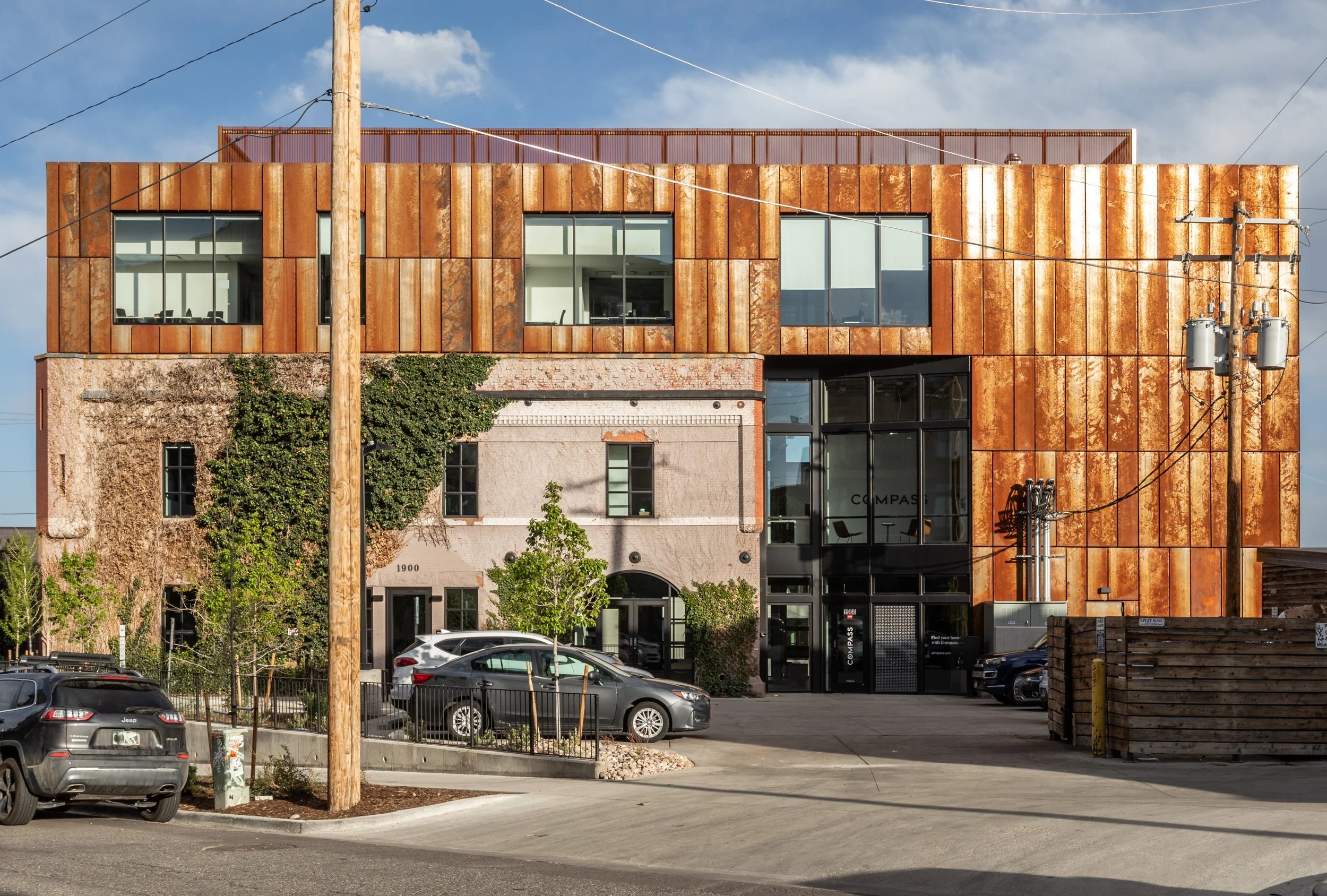
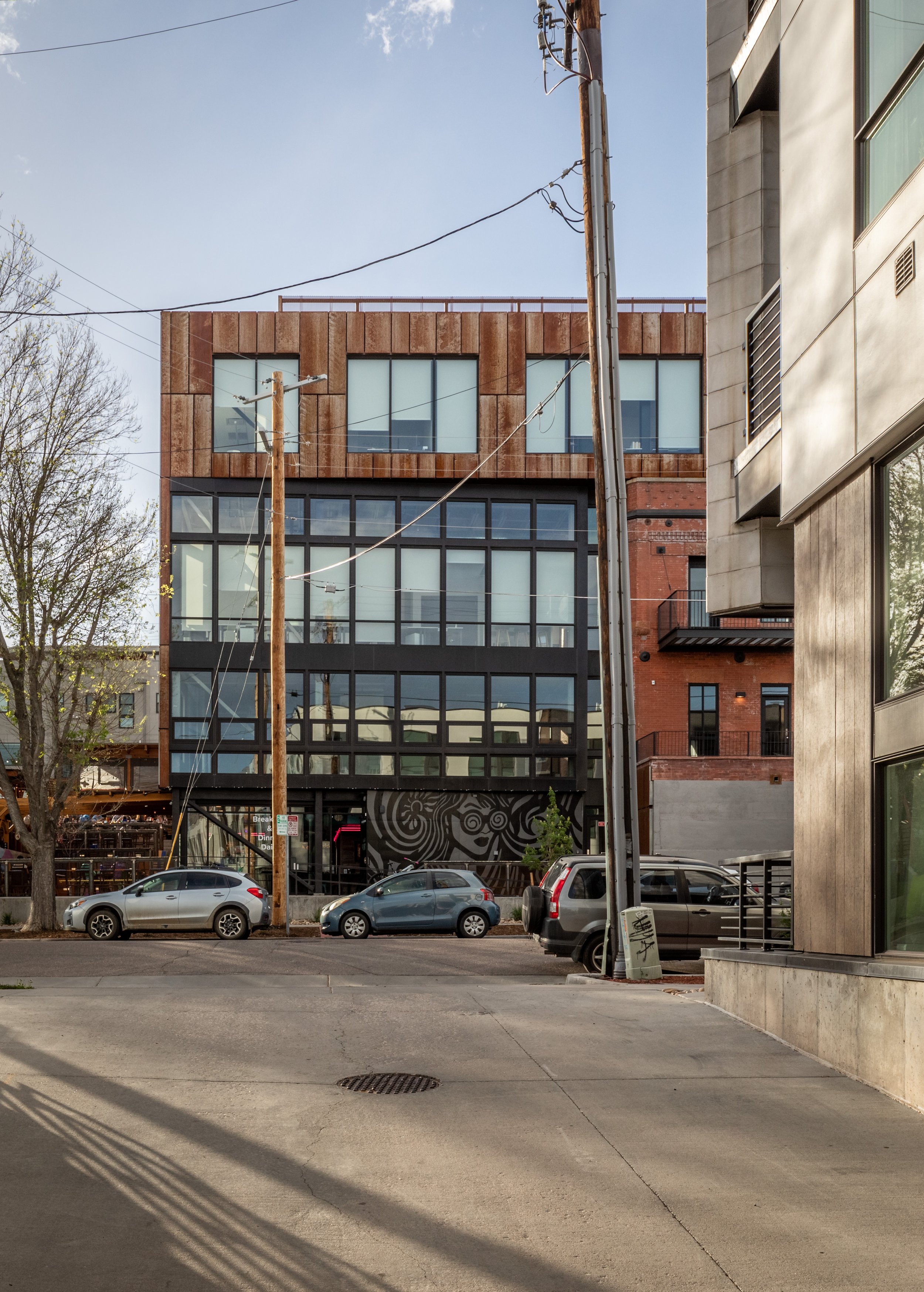
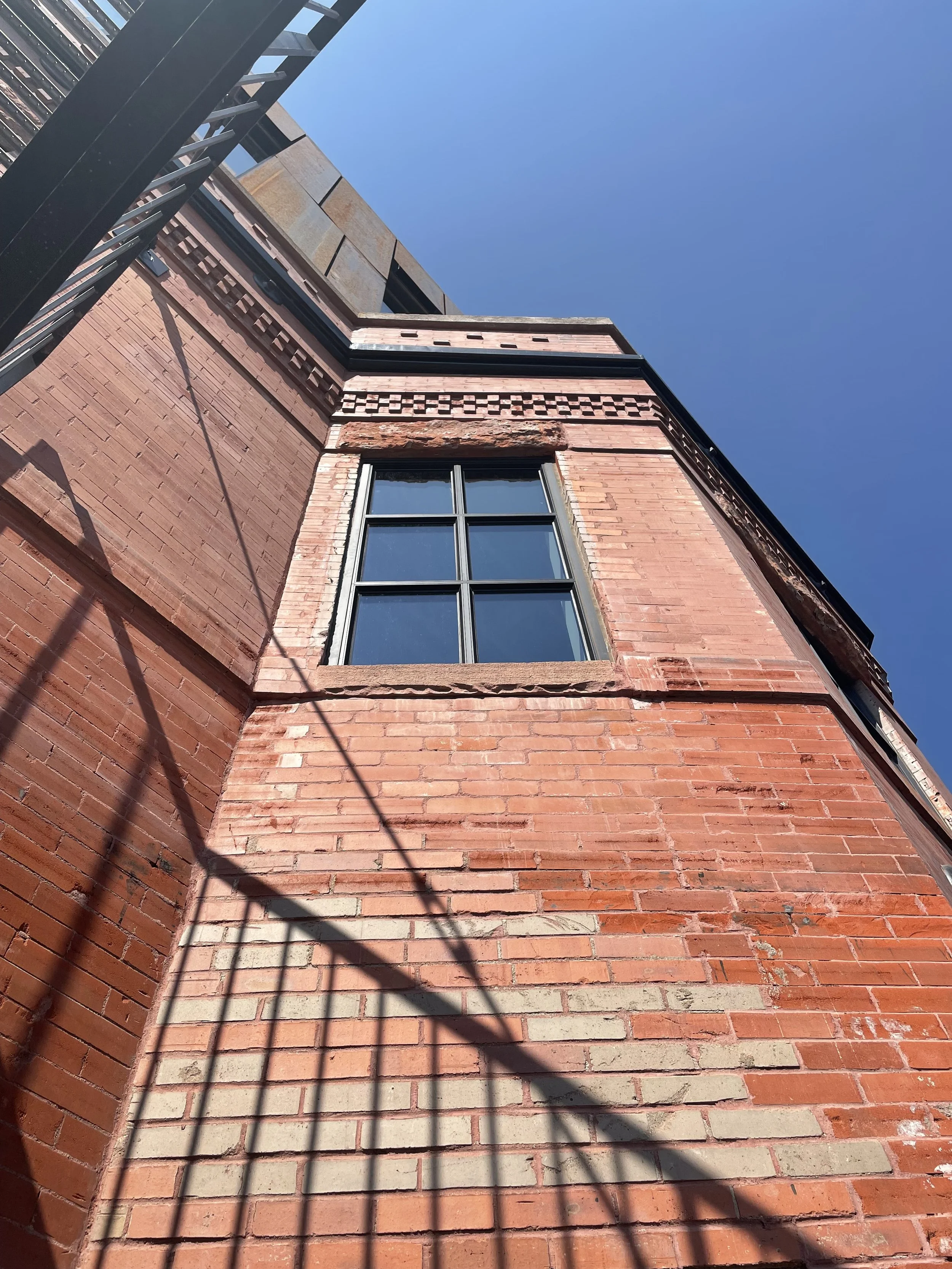
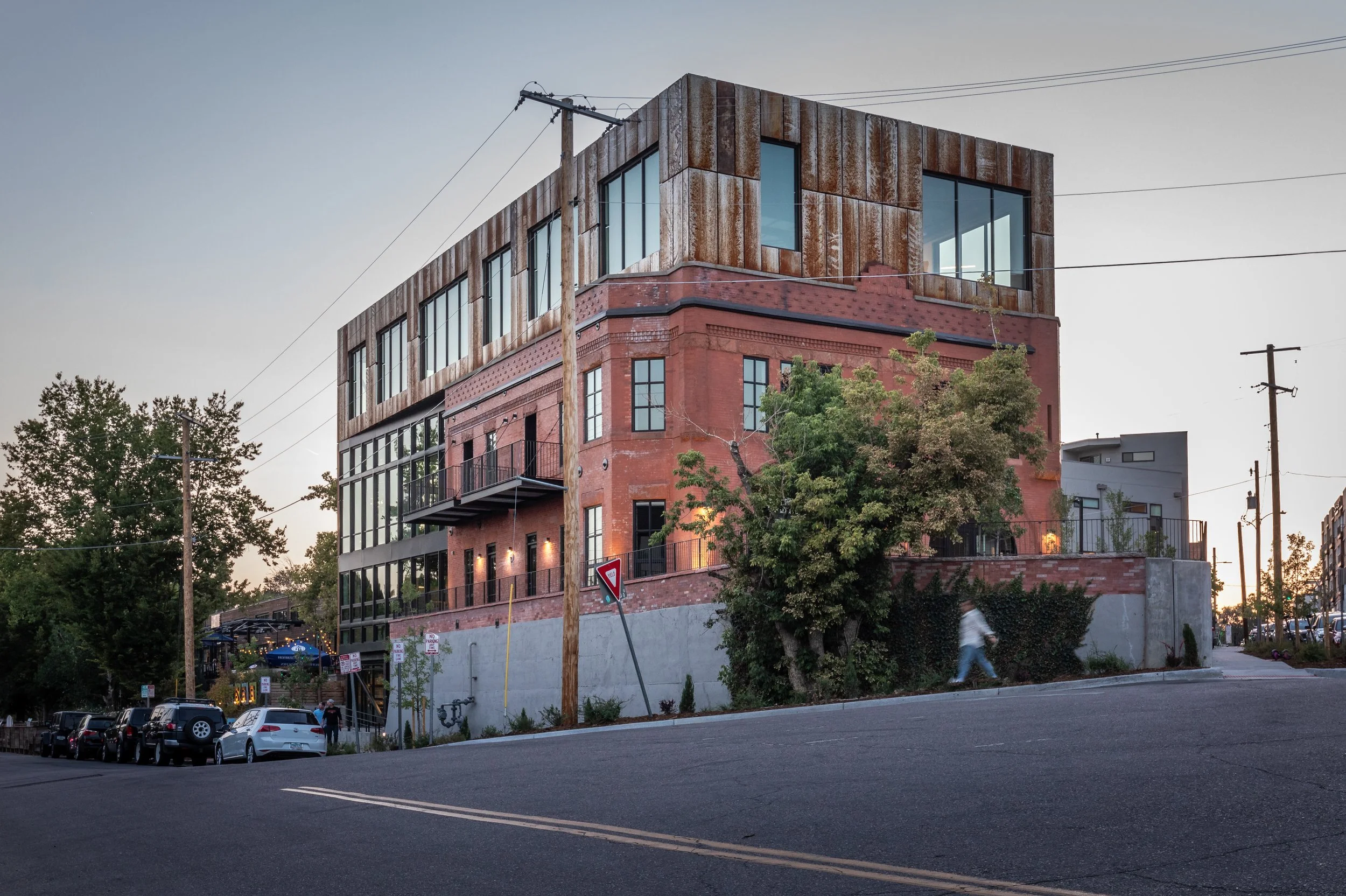
The Firehouse Mixed Use is a rigorous conversion of an 1890s firehouse into a mixed-use commercial building in Denver's LoHi neighborhood. The 12,000 SF renovation and addition successfully juxtaposes the building's historical integrity with 21st-century architectural styles, transforming an aging structure into commercial office space and two restaurants. It was completed in October 2021 at 1900 W 32nd Avenue.
-
Historic Integrity & Modern Demands
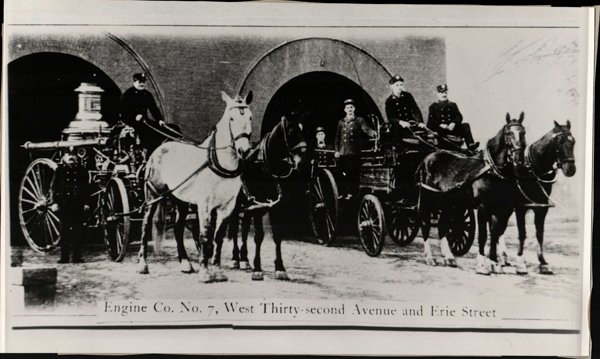
Revitalizing an elevated 1892 firehouse that had previously undergone substantial, concealing renovations, including its most recent use as an apartment building. The core challenge was to showcase the beauty of the original 19th-century brick structure while safely supporting a substantial 9,000 square-foot addition required for modern office and restaurant uses. This had to be accomplished at a five-way intersection with heavy pedestrian traffic.
-
Juxtaposition and Structural Rigor
Inventive Structural Strategy: To safely accommodate the new uses and the weight of the addition, a new, independent structural steel frame was built inside the original building. This strategy allowed the 1890s load-bearing brick structure to remain mostly untouched, preserving useful interior space and facilitating the goal of exposing the original brick throughout the interior.
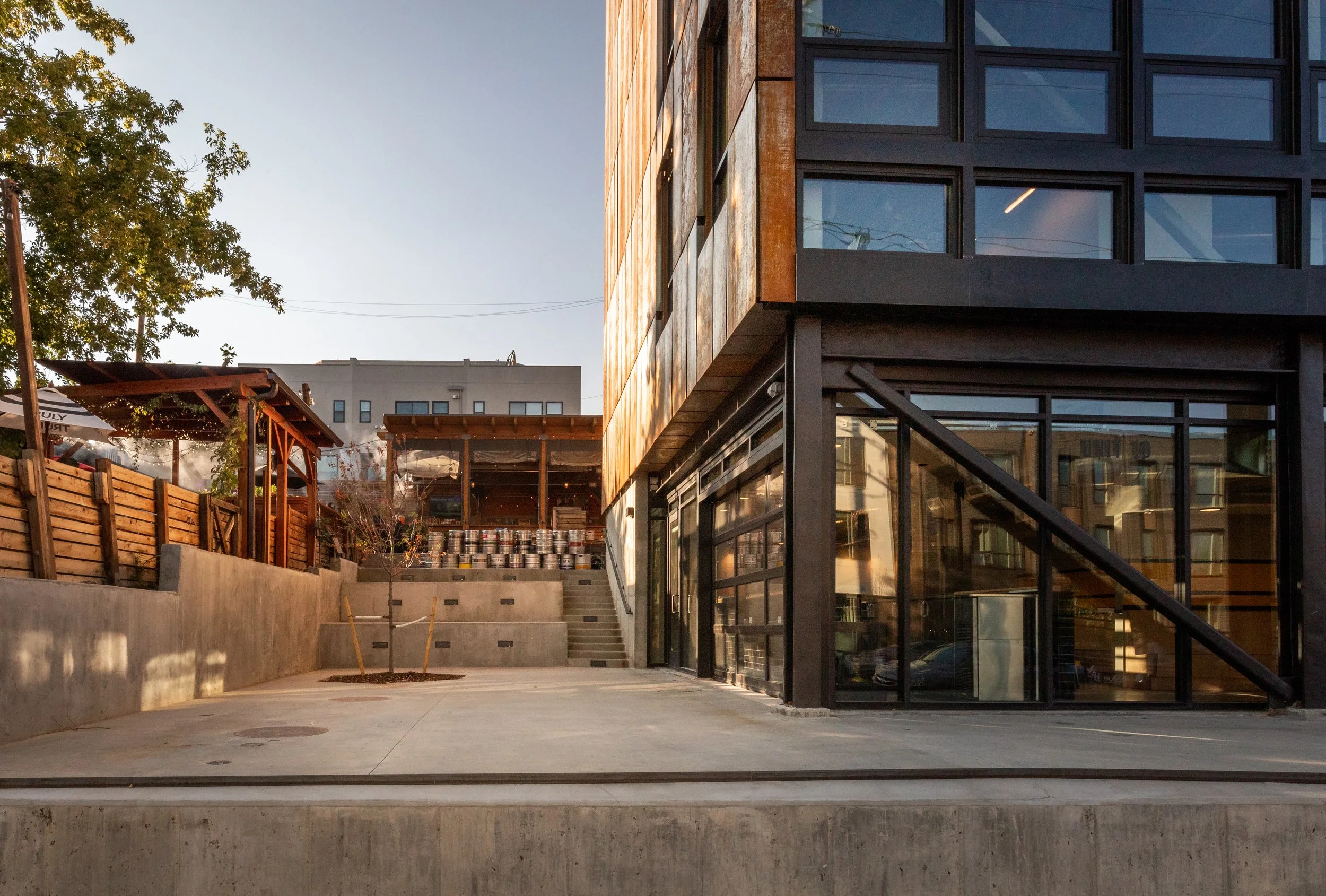
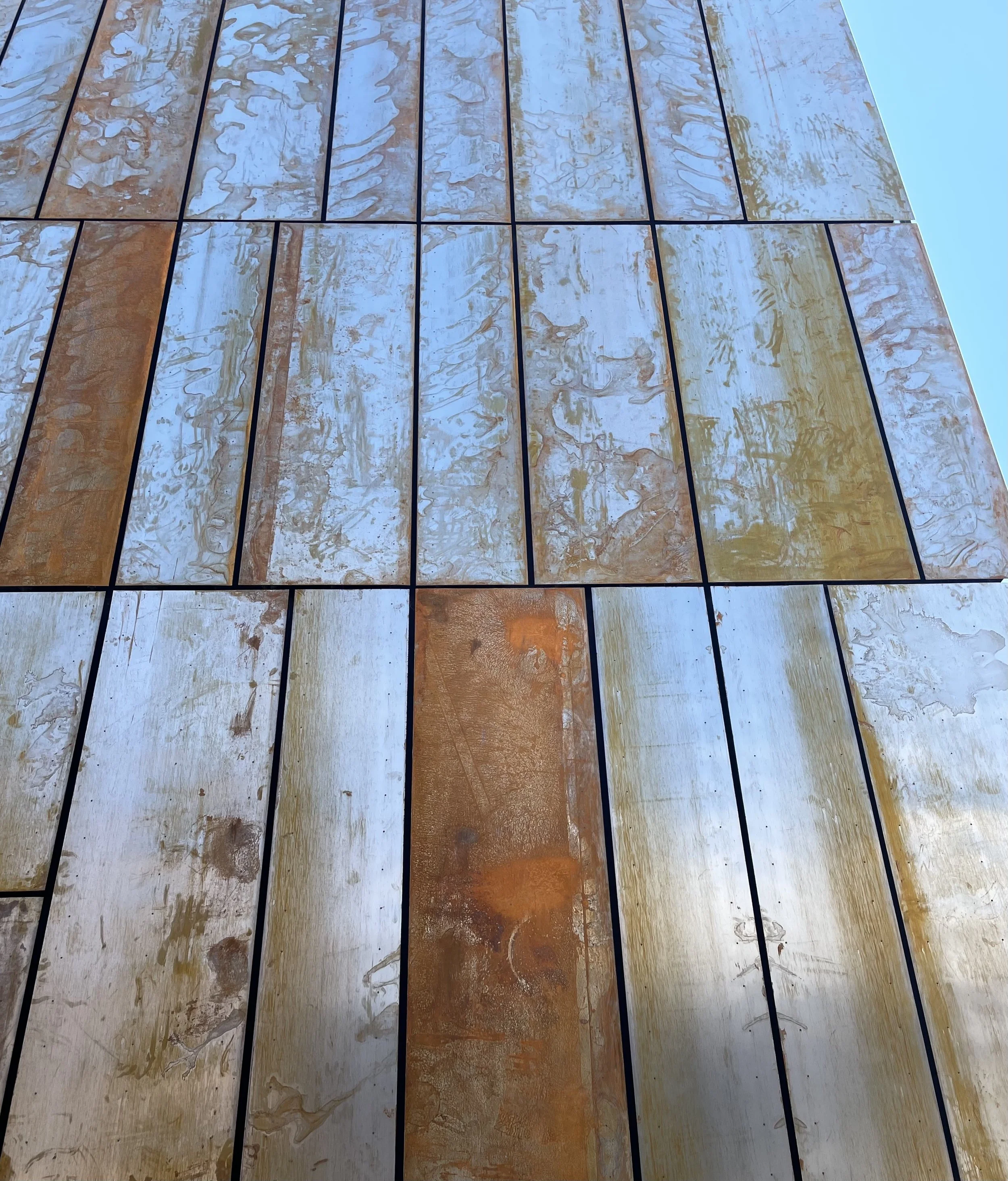
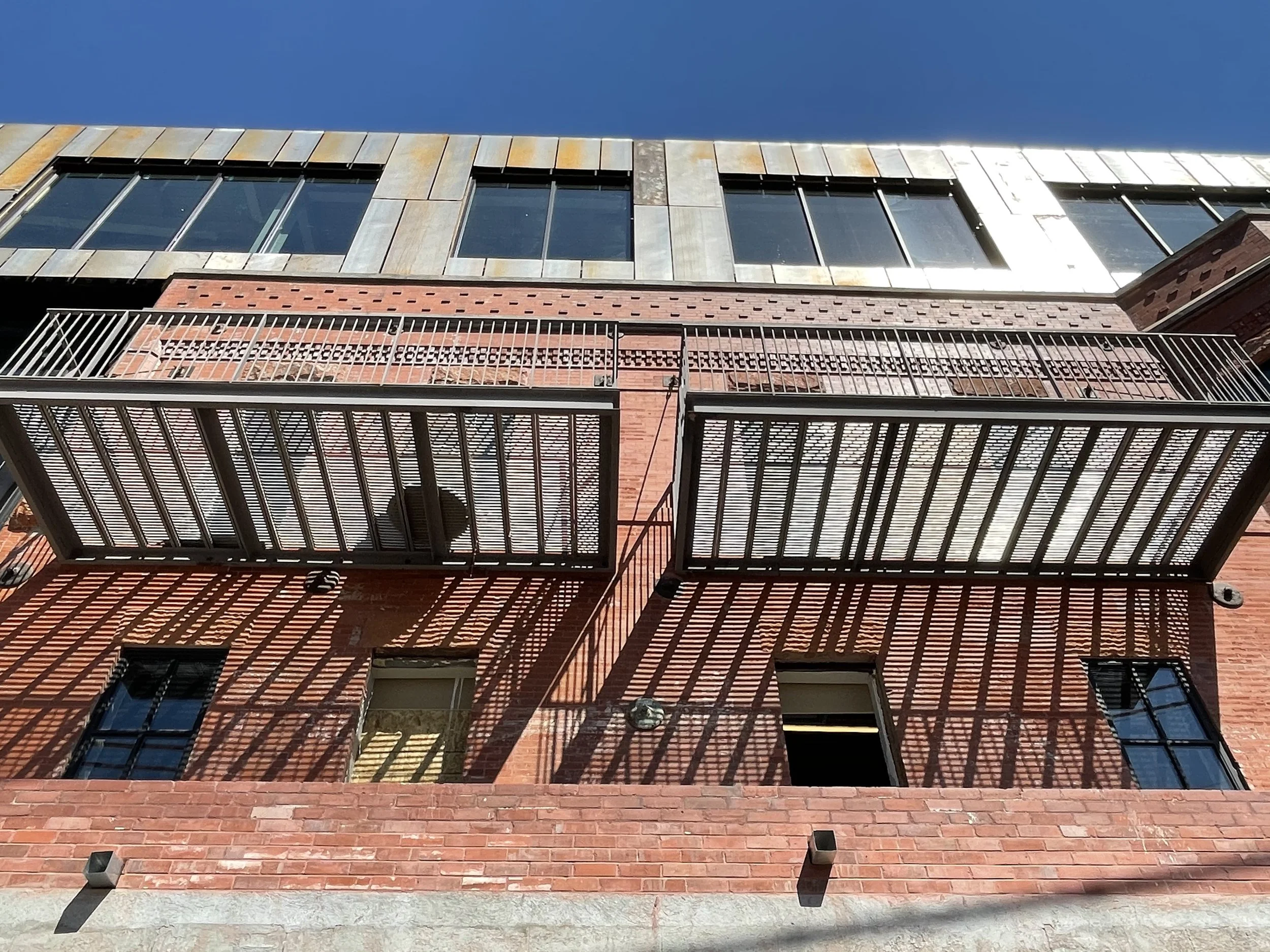
Aesthetic and Material Honesty: The design team created a juxtaposition of 19th and 21st-century architectural styles. The modern addition utilizes a palette of minimally processed materials, such as Corten steel designed to rust to a rich brown protective coating, complementing the inherent imperfection and authenticity of the original structure.
-
Community Asset and Pedestrian Engagement
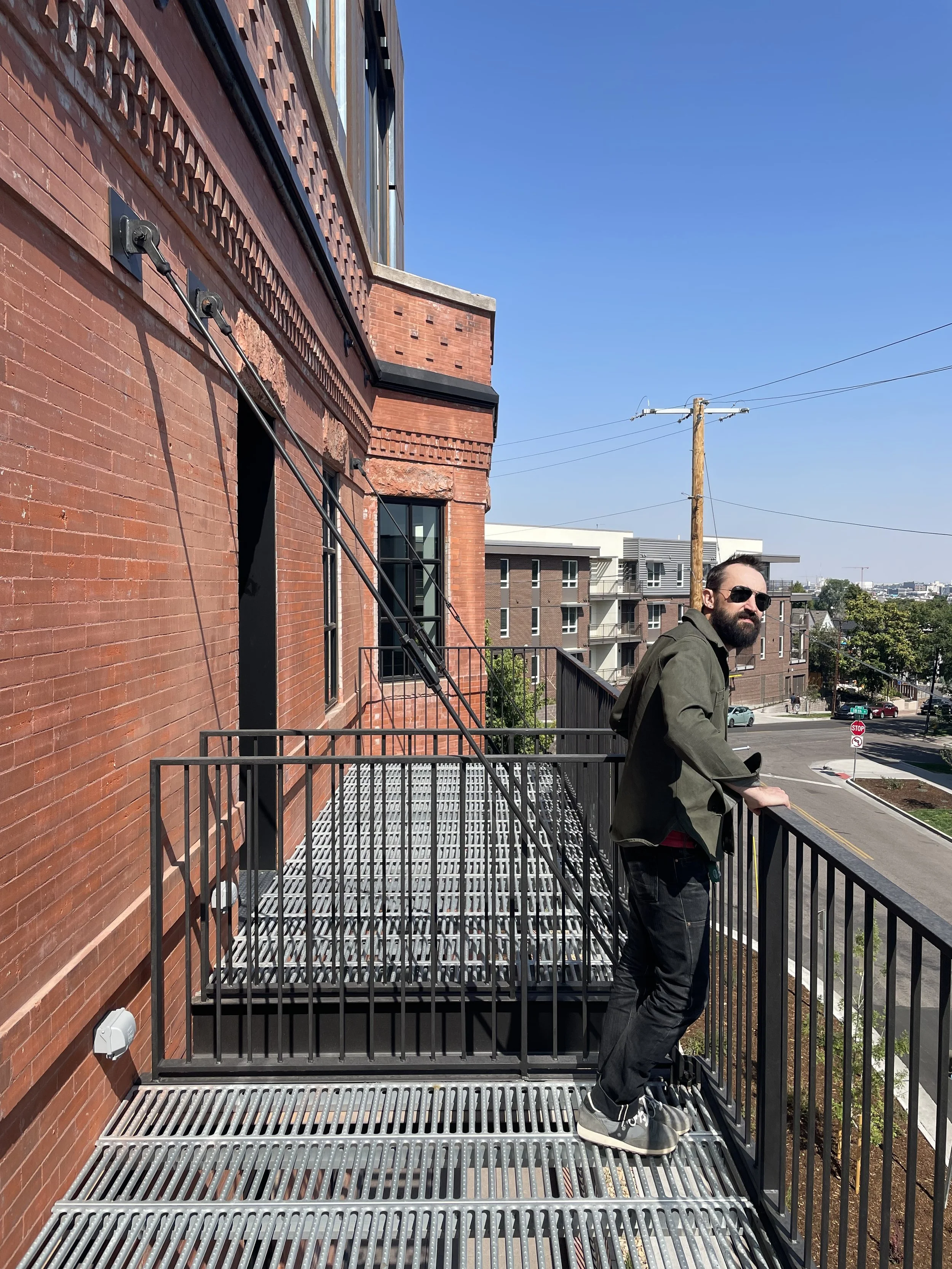
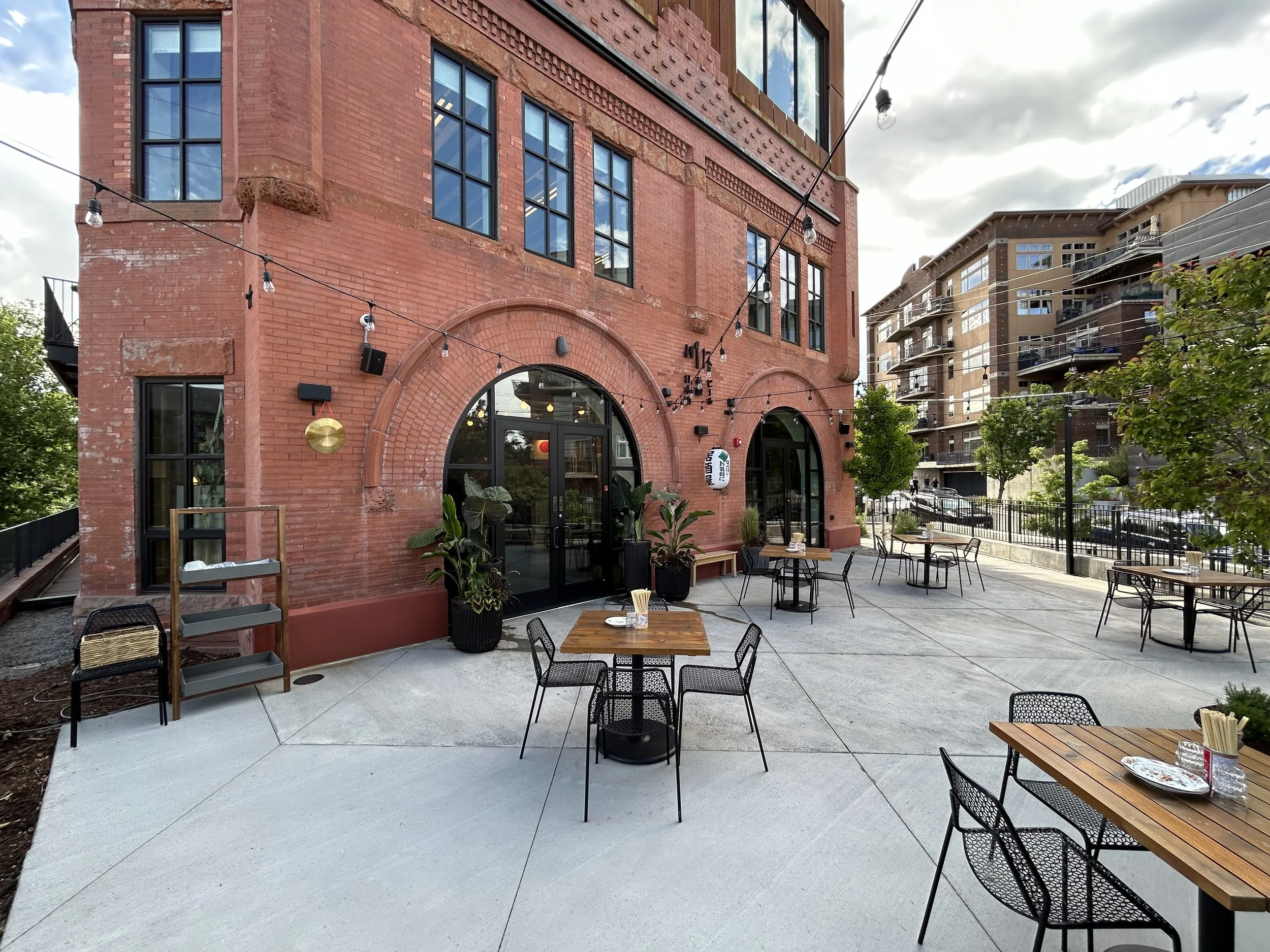
Maximized Community and Revenue Space: A significant emphasis was placed on creating an interesting circulation zone and sidewalk experience. Seventy-five percent of the building’s perimeter incorporates usable outdoor areas. This includes a large outdoor patio facing the intersection, a narrow balcony for one of the restaurant tenants, and terraced seating leading up to an adjacent beer garden.
The project successfully transformed a piece of Denver's history into a vibrant, pedestrian-oriented, mixed-use asset that is deeply integrated into the neighborhood.